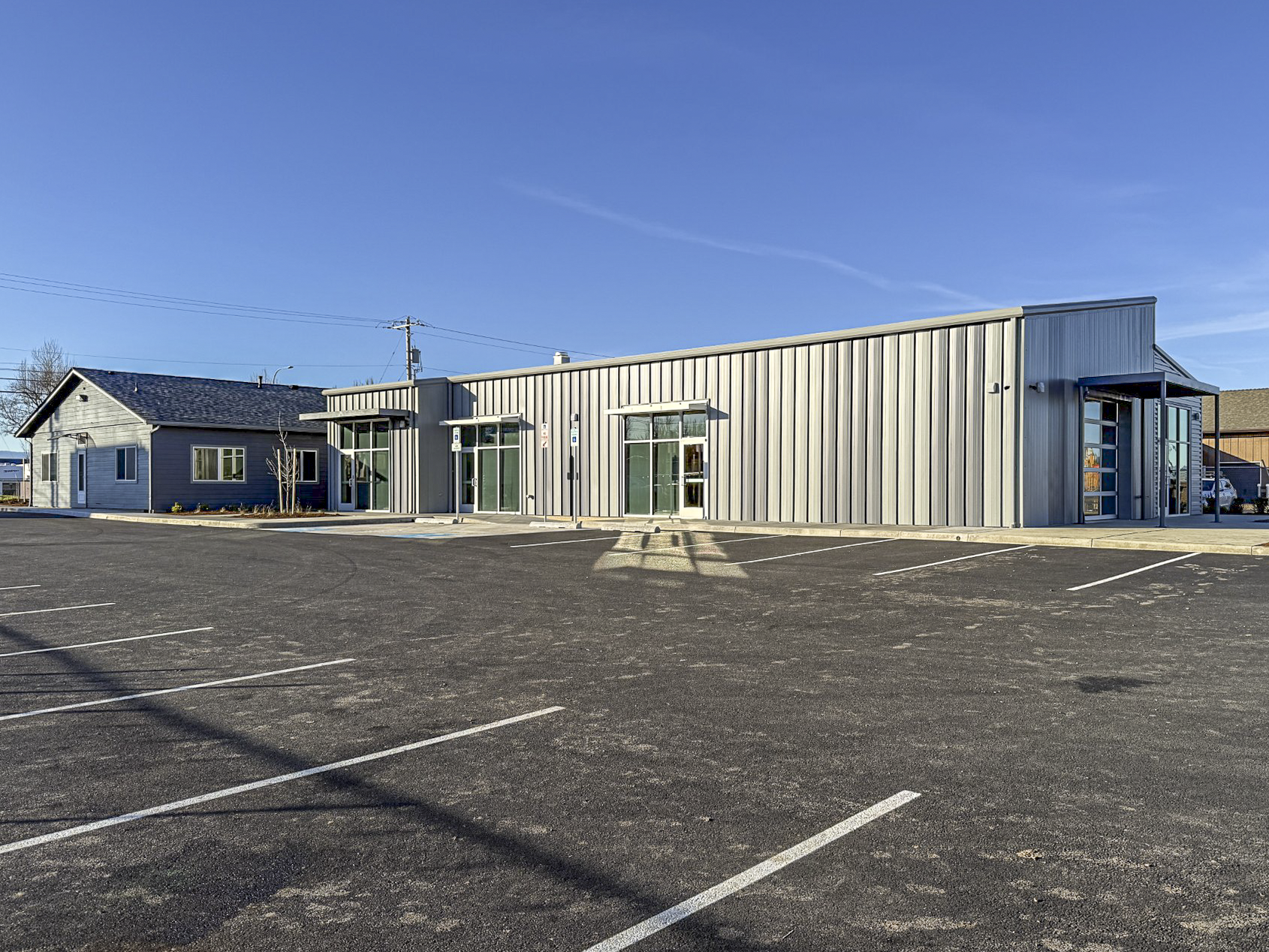
OAWU’s New Training Center: An Interview with Jason Green
Since its founding in 1977, the Oregon Association of Water Utilities (OAWU) has made training a core part of how it supports the people who keep Oregon’s water and wastewater systems running. Today, OAWU has more than 800 members and provides training to approximately 1,500 certified operators each year.
Now, OAWU is expanding that commitment with a new training center at its headquarters in Independence, Oregon. The facility provides a dedicated space for operator education and expanded opportunities for hands-on training.
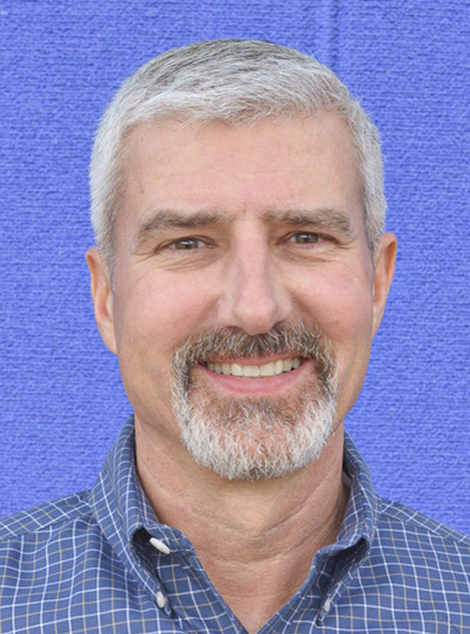
Jason Green, Executive Director, Oregon Association Water Utilities
As a longtime associate member, Cimco-GC Systems has worked with OAWU to support operator training for many years. We’re excited to continue that relationship and support OAWU’s vision for the new training center.
Cimco-GC Systems’ Tom Dykstra spoke with OAWU Executive Director Jason Green about the vision behind the center, the workforce challenges facing Oregon’s water and wastewater utilities, and why continued investment in training matters.
How did the new training facility come about?
Jason: Well, the training center has been in the association’s long-range plan for well over 20 years. We had been putting a small amount every year into a savings account for that purpose. And so we had a little bit of a nest egg for the project.
We had the concept, we’d visited other rural water associations, and we kind of knew what we wanted. We continued to talk about it and reviewed that long-range plan every year. When we purchased this property 15 years ago, there was space to put something here at some point in the future. It was just a matter of timing and having the money and resources to be able to do so.
Was there a moment that you realized, “Hey, this is going to come together in 2026?”
Jason: Years ago, I had worked with someone who eventually became chief of staff of the water caucus for the State of Oregon Legislative Assembly. We were meeting about water needs in Oregon, including training, which is a very important aspect of what utilities need.
She got the ball rolling on a grant, and after testimony before the Legislative Assembly, the grant and building became a reality. The whole process took about two years from start to finish.
It did happen extremely fast. Even though we had been planning this in concept for all those years, when it came to light, it was like, “We better roll up our sleeves here because this is going to happen.” We wanted to do it right the first time for the operators in Oregon.
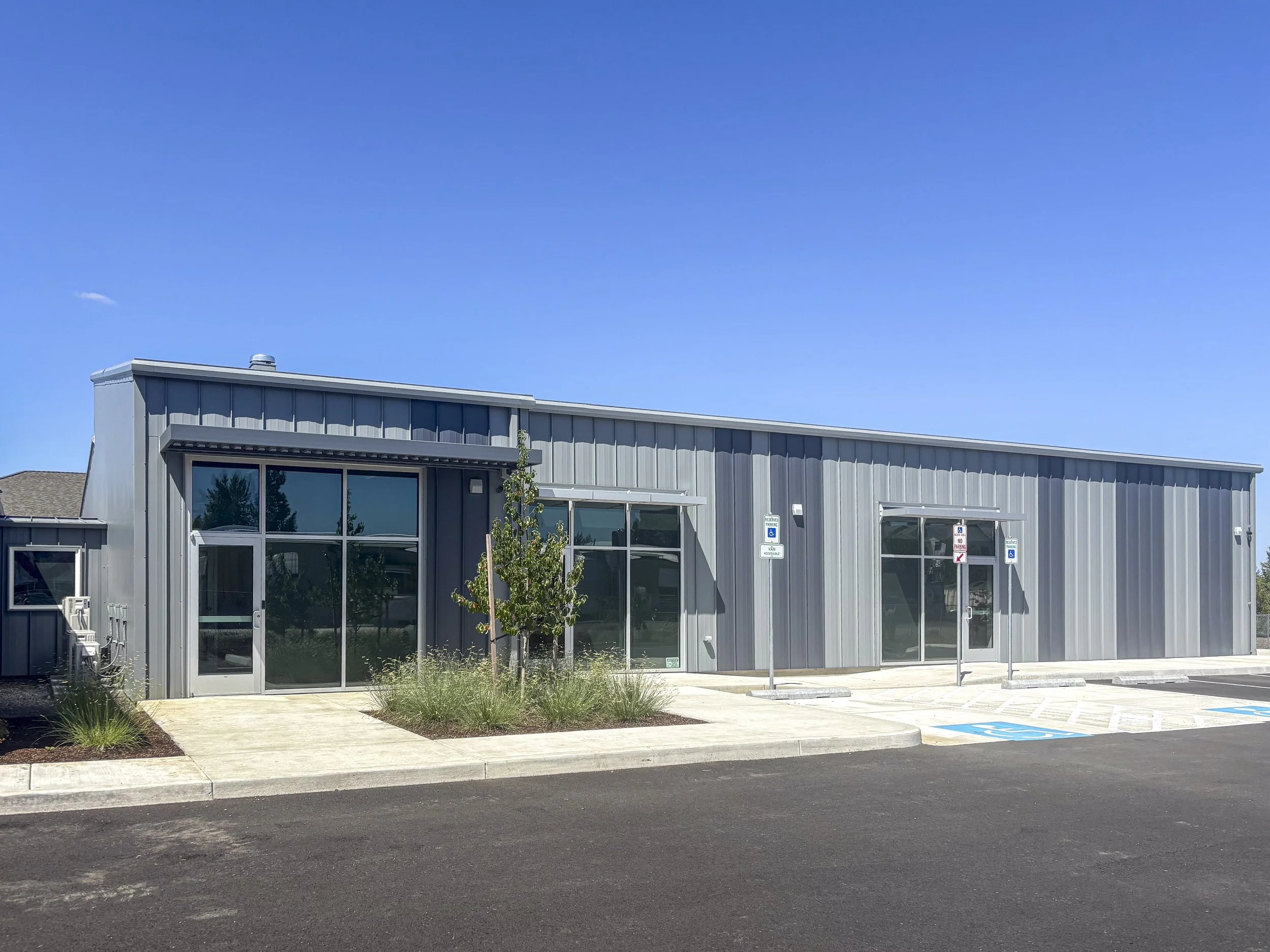
The new training center
What does success look like? If we’re having this conversation five years from now, what impact are we seeing?
Jason: Having the training center here expands what we already do in the field. It gives us more depth and breadth in our ability to provide direct training that I believe is going to benefit utilities. That may include building on our apprenticeship program to bring new men and women into the field and maybe spark some interest at the college and high school level.
It also gives us a consistent, professional, ready location to provide training. If a utility says, “Hey, we’ve got 20 people. Can we put something on?” we’ve got the facility here. So that’s a success—expanding our existing training and hopefully seeing some of these other areas grow as well.
What is the scope of the training that will be taking place here?
Jason: The training we’ve offered over the years includes anything to do with O&M, planning, management and operations in the field for both water and wastewater treatment. The apprenticeship program would be expanded. I would also love to see, as would the board, some more focus in the area of leadership.
Our board president provided a challenge: his desire was to see something presented here that’s going to benefit water and wastewater utilities in Oregon that is not available anywhere else in the nation. That’s a pretty tall challenge because there’s a lot of different training out there. One of the things is to bring in an actual hands-on unit and have a similar type of training that you might have up at your shop. That would be something that’s needed, in demand, and not regularly offered.
Cimco-GC Systems will be providing a hands-on control valve class at the new facility in October. Cla-Val also donated five three-inch pressure-reducing valves to the new facility. What does having that kind of hands-on equipment available mean for operators?
Jason: The opportunity to have some hands-on experience means that the operator understands the valves more and can do some basic troubleshooting. They may even have enough advancement in knowledge and experience to do some work on them or rebuild them themselves.
The hands-on course is invaluable to operators, especially in the rural areas where they may have dozens of these valves in their system. If they’re not working right, things go bad quickly.
This training also builds on a longstanding relationship between OAWU and GC Systems. What do you remember about working together over the years?
Jason: I knew who GC Systems was when I managed a water system. At the water utility that I took care of, we used both the valves and their assistance and repairs.
When I came on to the association, I was the training specialist and would work with GC Systems to put on training throughout the state. They were usually four- or six-hour training classes, four, five, or six per year, and they were always well received. The utilities have these valves in their systems, and if something goes wrong, it’s not a good thing for the utility. Without the training, operators—unless they’ve had experience elsewhere—may not know what to do. That can lead to customers being out of water, as well as system damage.
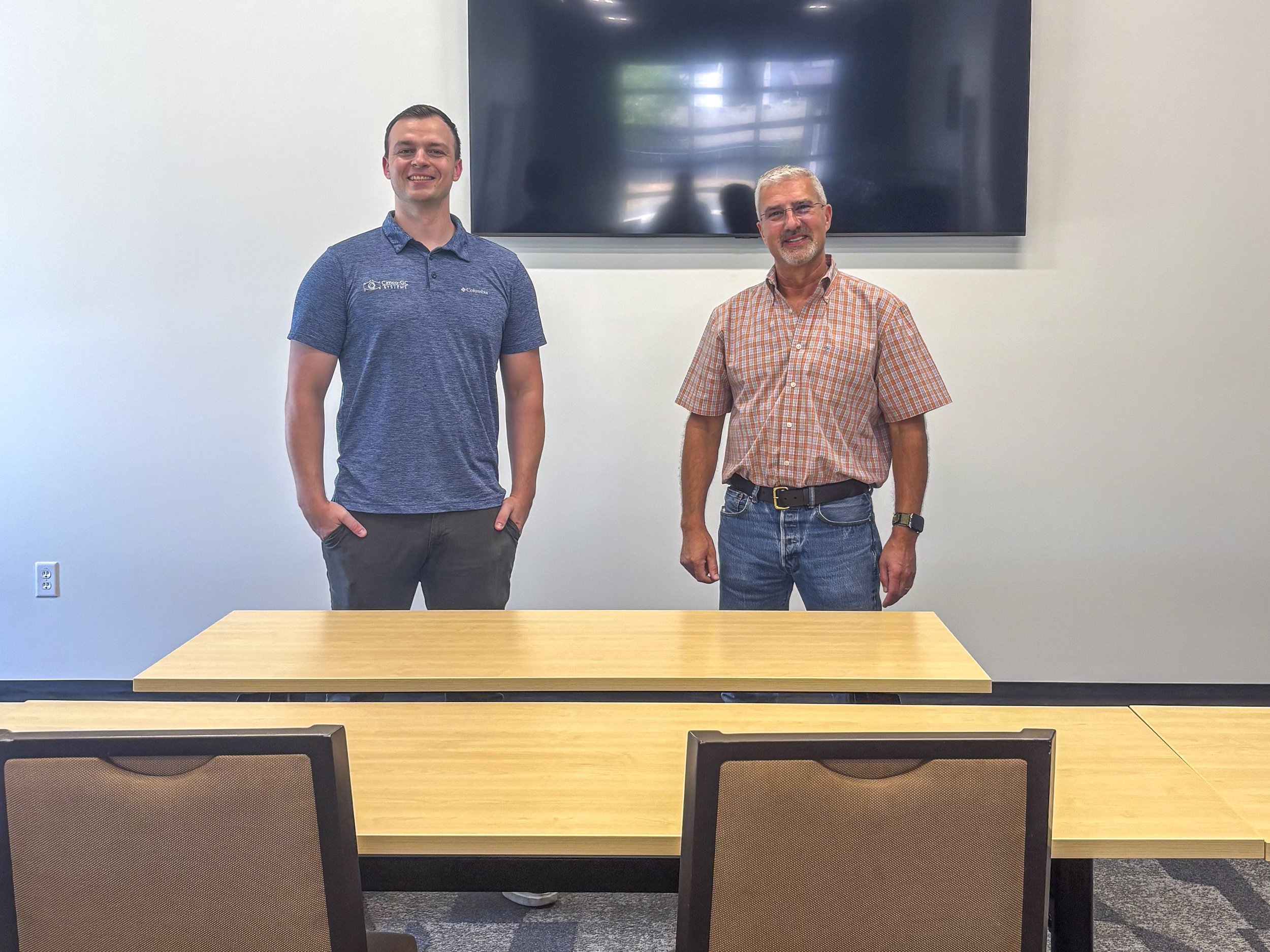
Patrick Miller (Cimco-GC Systems) with Jason Green
Could you talk a little bit about the gaps you’ve seen in training for water and wastewater in Oregon?
Jason: Training has ebbed and flowed over the years. After certification became required in the late ‘80s, training began to ramp up heavily. In the ’80s and maybe early ’90s, we also had a core group of people who came into the field from industries like timber, and many of those people have been moving through retirement age. So we have many utilities and cities saying, “Well, now we can’t find anyone.”
I think the water and wastewater industry has not told our story very well. And not to lessen the importance of other services in cities, but the water and wastewater utility area just has not had a very strong voice or been supported as much as some of the other services. And yet, when water or sewer is not provided, customers tend to get upset quite easily and quickly.
If we’re going to bring people into this field and attract them, we must provide appropriate and continuing training. We also need to provide good basic salaries and benefits that will attract new people and retain the people who have been there for 10 or 15 years.
Often our regulatory folks have said, “The gray wave is moving through, and we have this vacancy. Now we need to do something, some program, something to get these people in.” The intentions are wonderful, but it still goes back to not only providing great training for operators, but providing training for board members and city councils as well. They need to understand the importance of taking care of their employees at public works and keeping salaries and benefits competitive so they don’t have that revolving door.
What would you say to a young person, or even someone considering a career change, who’s never thought about working in water and wastewater? Why should they explore it?
Jason: Water and wastewater public works people protect their communities 24/7, 365 days a year. It’s a wonderful opportunity and a way of life that brings great benefit and satisfaction.
If a person has within themself a desire of service and taking care of things, and they are the type of person who can be entrusted with something of great value and they are a self-starter, it’s a wonderful field.
What personally excites you most about the new training center?
Jason: There are a number of things, and it’s greater than just really good training. It’s influencing lives—positively influencing lives. We have the opportunity as an association to help so many men and women in this area to better themselves and to share knowledge.
And it’s not just the knowledge; it’s sharing the spark of the service area that we work in. These are great opportunities. Influencing lives and providing this service—what a super opportunity it is.
So what do you want a visitor to think as they leave the facility after being there for the first time?
Jason: We want to have the reputation that people know if they give us a call, we’re able to provide direction and support to utility operators. We want to be a benefit to the operator. That’s the core.
The direction of this training center was really to provide an avenue for the smaller systems that really have great need. The smaller utilities are required to do the same things, just with less personnel, smaller budgets and fewer customers.
Obviously, the training is open to any utility, whatever the size, whether they’re a member or not. Training is core. It’s always needed. It’s always changing. We need to be reminded and stay sharp in our management and operations of these utilities. This is something that just is very easy to get behind and support.